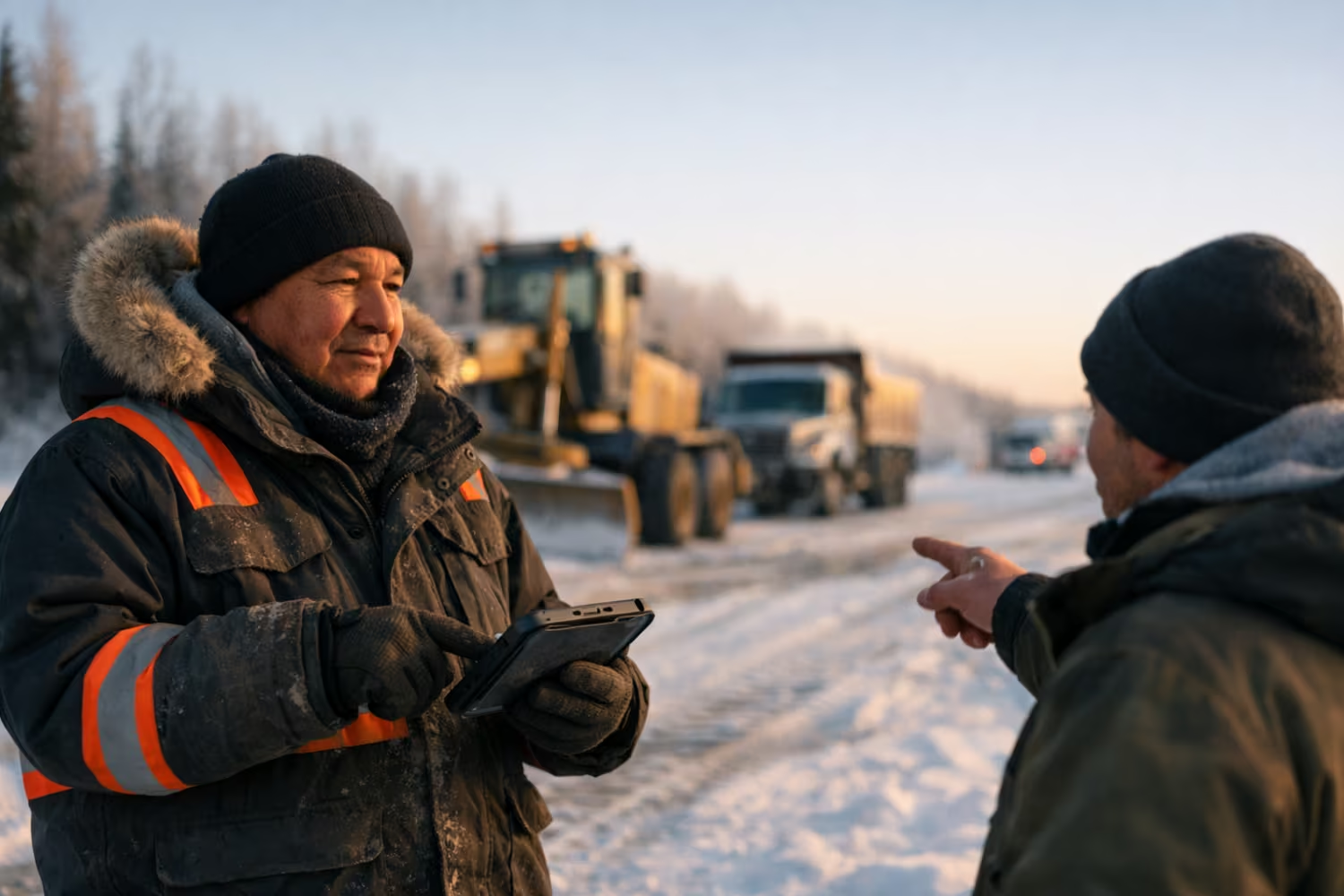
For northern and remote First Nations communities, winter roads aren’t just convenient—they’re the only way to bring in vehicles, building materials, and bulk supplies.
That short window between freeze-up and spring thaw determines what your community can accomplish for the entire year.
But maintaining a winter road takes more than one piece of equipment. It takes a coordinated fleet working together.
In this guide, Brenden Thom, President of Thom Brokerage and Consulting, walks through what equipment communities need, why timing matters, and what to consider before making a purchase.
What Equipment is Essential for Winter Road Season?
The basics include:
- Graders — to maintain and level the road surface
- Dump trucks — to move snow and materials
- Loaders — to load those dump trucks
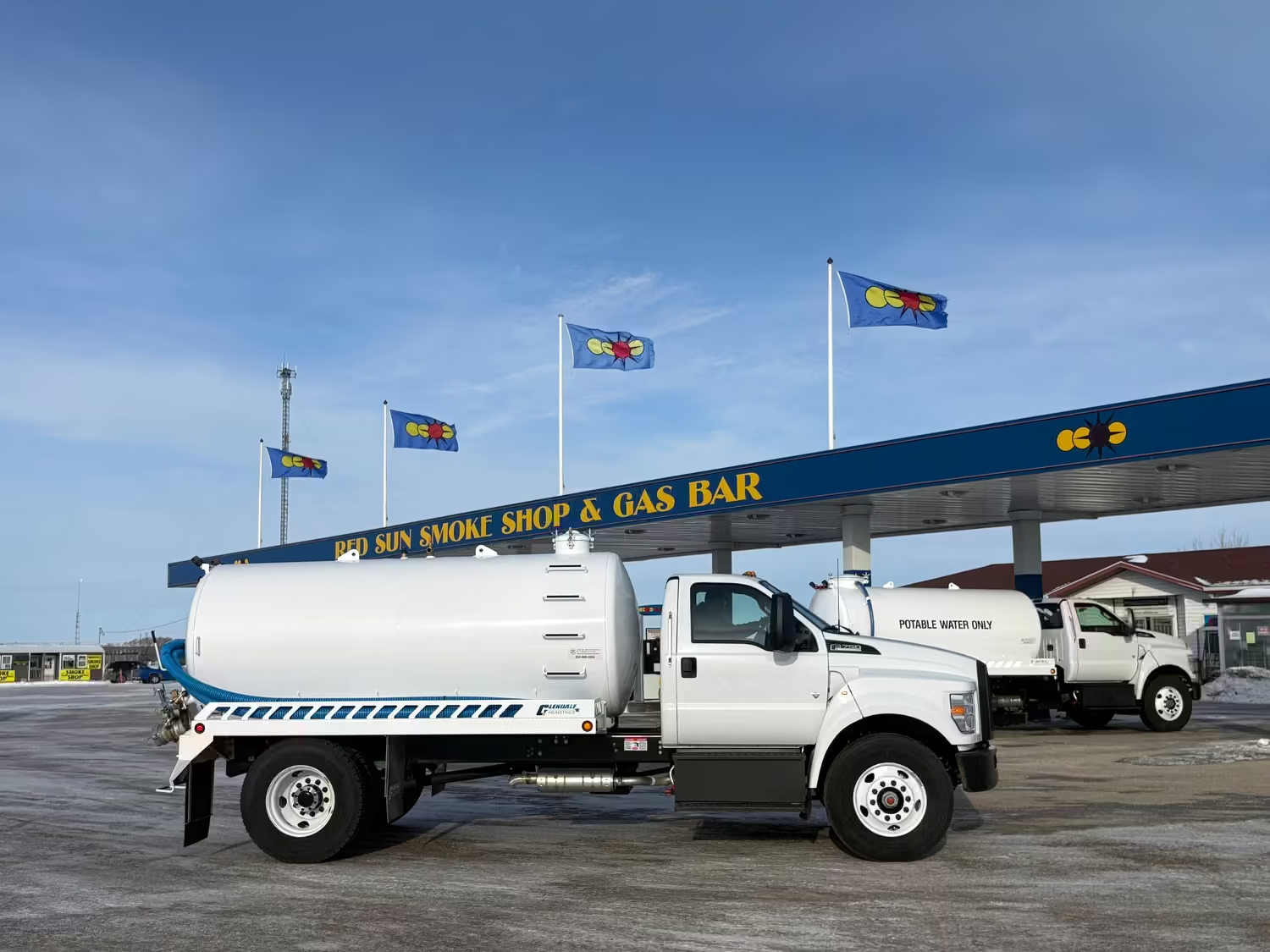
- Refueling trucks — to keep operators fueled in the field
- Storage solutions — heated storage for DEF fluids and consumables
- Transport vehicles — ATVs, snowmobiles, and trucks to move crews back and forth
Each piece plays a role. If one is missing or unreliable, it creates a bottleneck that can stall the entire operation.
Why is This Equipment Needed Now?
Winter roads are a lifeline. Communities can't afford equipment downtime during an already short window. If a grader breaks down mid-season and there's no backup, road maintenance stops—and so do the supply runs.
The equipment has to be reliable because the window is limited. Every day of downtime is a day your community loses access to essential goods.
What Should You Consider Before Buying?
Before purchasing winter road equipment, ask yourself:
1. Can this equipment be multi-purposed?
Winter road equipment is expensive. If you can use it year-round—for gravel road maintenance, construction projects, or other community needs—you get more value from the investment.
2. Do you have enough operators?
Equipment without trained operators is just expensive metal sitting in a yard. Make sure you have the people with the credentials and qualifications to run what you're buying.
3. Do you have backup equipment?
The season is short. If something breaks and you don't have a replacement, the whole project stalls. Backup equipment isn't a luxury—it's risk management.
Looking at Your Fleet: Where Are the Gaps?
Start by looking at what you already have:
- Do you have loaders and dump trucks?
- Do you have vehicles to transport operators back and forth?
- Do you have an asset to refuel equipment in the field?
- Do you have storage for fluids and consumables?
The goal is to identify gaps before the season starts—not discover them when something breaks down 50 kilometers up an ice road.
Planning Ahead: Why Timing Matters
Equipment availability isn't guaranteed. The market is still recovering from COVID-related supply chain issues, and many communities are looking to buy during the same short window.
If you wait until December to start looking, the equipment you need might not be available—or might not arrive in time.
Key dates to keep in mind:
- Now through January — Ideal time to assess needs and source equipment
- February — Last chance for delivery before roads get busy
- March 16 — Official winter road closure date for most regions
- April 1 — Fiscal year budget reset
If your budget is tight at year-end, bridge financing can help you secure equipment now and align payment with your new fiscal year allocation.
Ready to Assess Your Equipment Needs?
Every community's situation is different. Road length, operator availability, existing fleet condition, and budget all play a role in determining what makes sense.
We work alongside First Nations leadership to identify gaps, source the right equipment, and navigate funding options—so your community is ready when the roads open.
Have questions? Let's talk.
Contact Us | 431-430-1115