Water and septic trucks are essential infrastructure for many First Nations communities—especially those without centralized water and sewer systems.
These trucks ensure families have access to clean drinking water and proper waste management, often in challenging northern conditions.
But not all trucks are the same. The right choice depends on your community’s roads, climate, service routes, and operator experience.
In this guide, Brenden Thom, President of Thom Brokerage and Consulting, covers the key questions to ask before making a purchase.
What Should You Know Before Buying?
Before we recommend a truck, we ask communities a few key questions:
1. What fuel type do you prefer—gas or diesel?
This decision is usually community-led. Your operators know what works best for your conditions and what they're comfortable maintaining.
2. What are your road conditions like?
Summer roads in some communities turn to clay—heavy trucks can sink or get stuck. Winter roads are more forgiving for weight, but you need to plan service routes around seasonal access.
3. How many homes are you servicing?
This determines tank capacity. A 1,600-gallon truck might handle a daily route in a smaller community, while a 3,000-gallon tandem might make more sense for longer distances or larger populations.
Tandem vs. Single Axle: What's the Difference?
Single axle trucks (1,600 gallons):
- Lighter and more maneuverable
- Better for tight roads and limited access
- Suitable for shorter routes with fewer homes
Tandem axle trucks (3,000 gallons):
- Higher capacity means fewer trips
- Better for communities with longer distances between homes and fill stations
- Heavier—may not be suitable for soft summer roads
The right choice depends on your service routes. If your smaller truck can complete the daily route in one load, that might be all you need. But if operators are making multiple trips, a larger tandem could save time and fuel.
Why Heated Cabinets Matter
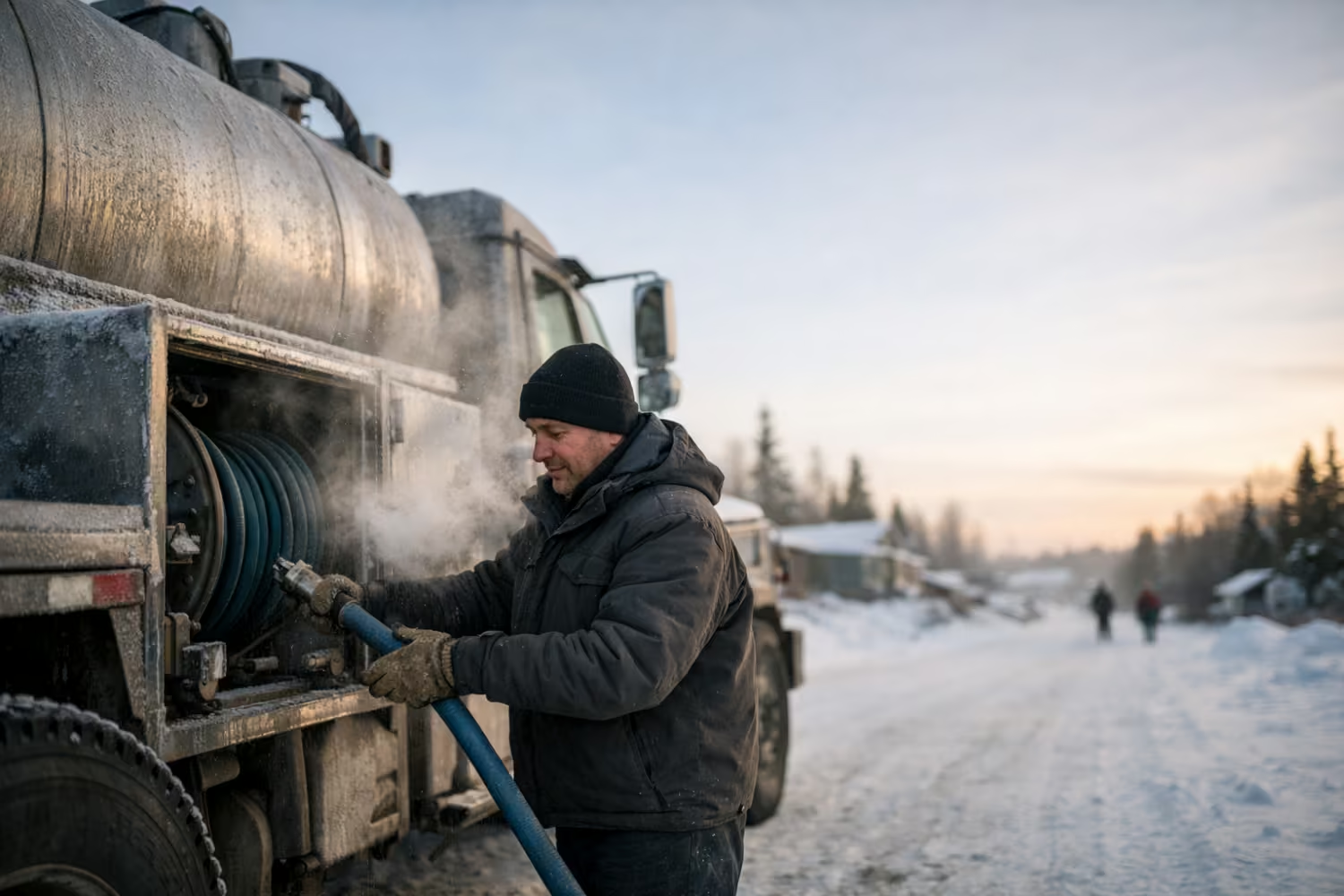
Our water trucks come equipped with heated cabinets to prevent the hose reel from freezing up after each delivery.
In northern climates, temperatures can drop well below -30°C. Without a heated cabinet, the hose freezes, clogs, and the truck is out of service until it's thawed.
Water delivery is essential—families depend on it for drinking, cooking, cleaning, and bathing. A frozen hose isn't just an inconvenience. It's a service disruption that affects every home on the route.
Gas vs. Diesel: Which Should You Choose?
This decision comes down to three factors:
1. Operator preference and familiarity
Your operators are the ones using this equipment daily. If they have experience with diesel and are comfortable maintaining it, that matters. If they prefer gas for its simplicity, that's equally valid.
2. Maintenance requirements
Diesel engines—especially newer ones with DEF (Diesel Exhaust Fluid) systems—require more maintenance. DEF can gel in extreme cold, and the systems are more complex to troubleshoot in remote locations.
Gas engines are generally simpler to maintain, though they may have lower torque for heavy loads.
3. Fuel access
What fuel is readily available in your community? If diesel supply is inconsistent or expensive to fly in, gas might be the practical choice.
The bottom line: There's no universal "right answer." The best choice is the one that fits your community's operations, maintenance capacity, and operator comfort.
Key Specs to Consider
Winter Road Delivery Timing
If your community is only accessible by winter road, equipment delivery timing is critical.
Plan ahead:
- Equipment ordered now can be delivered this winter road season
- Custom orders can take 12–18 months—if you need it next season, start the conversation now
- We can hold equipment until your roads open if needed
Ready to Find the Right Truck for Your Community?
Every community’s water and septic needs are different. Route lengths, road conditions, climate, and operator experience all factor into the decision.
We work alongside First Nations leadership to assess needs, recommend the right specifications, and navigate funding applications—so your community gets reliable equipment that fits your operations.
Have questions? Let's talk.
Contact Us | 431-430-1115